At a glance
- Also known as
- ANCA vasculitis, AAV
- Key symptoms
-
- Fever, tiredness, and unintended weight loss
- Long-lasting sinus or nasal symptoms, nosebleeds, or ear problems
- Cough, breathlessness, or coughing up blood
- Blood or protein in the urine from kidney involvement
- Numbness, tingling, or weakness from affected nerves
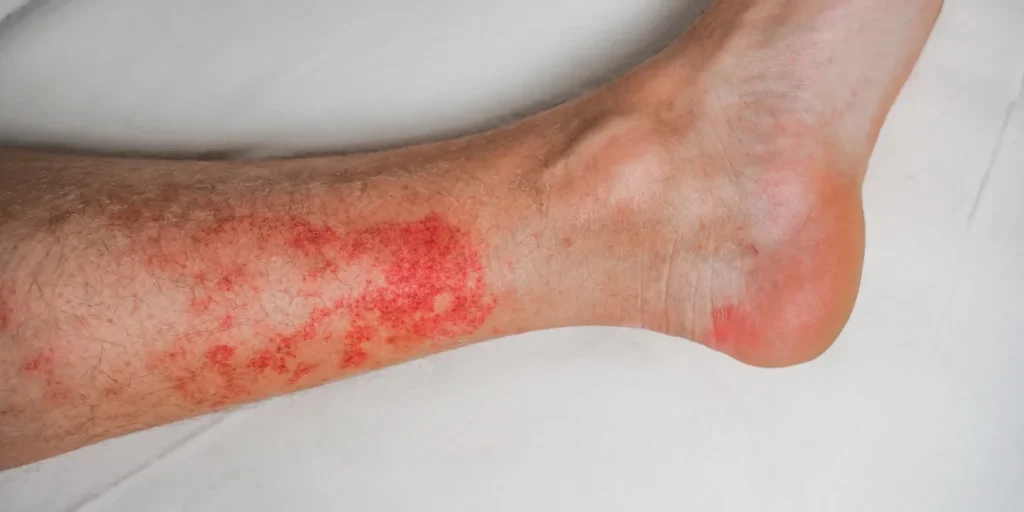
- A rash of small purple-red spots, often on the legs
Overview
ANCA-associated vasculitis (AAV) is a group of uncommon autoimmune conditions in which the immune system inflames the body’s smallest blood vessels. Because these vessels supply every organ, the disease can affect many parts of the body at once — most importantly the kidneys, lungs, sinuses and nerves. The name comes from an antibody found in the blood of most people affected, the anti-neutrophil cytoplasmic antibody, or ANCA.
There are three main types. Granulomatosis with polyangiitis (GPA) tends to involve the sinuses, nose, ears and lungs as well as the kidneys. Microscopic polyangiitis (MPA) most often affects the kidneys and lungs. Eosinophilic granulomatosis with polyangiitis (EGPA) occurs in people with adult-onset asthma and a high level of a white cell called the eosinophil. They are grouped together because they share the ANCA antibody and respond to similar treatment.
AAV can range from disease limited to the sinuses or skin through to a rapidly progressive illness that threatens the kidneys or lungs within days. This is why it is treated as a condition that needs prompt specialist assessment, and why close monitoring continues long after the first flare has settled.
Symptoms
Many people first feel generally unwell for weeks or months — with fever, tiredness, weight loss, and aching joints and muscles — before the specific features appear. Because these early symptoms are vague, the diagnosis is often not obvious at the start.
The specific symptoms depend on which organs are involved.
- In GPA there may be persistent blocked or crusty nose, nosebleeds, sinus pain, or ear problems and hearing loss.
- Lung involvement can cause cough, breathlessness, or coughing up blood.
- The kidneys may be affected silently, showing only as blood or protein in the urine, which is why urine testing is so important.
- Inflamed nerves can cause numbness or weakness, often in a hand or foot, and the skin may show a rash of small purple spots.
- In EGPA, worsening asthma and nasal polyps are typical.
Causes and risk factors
The cause for AAV is usually unknown. It develops when the immune system mistakenly activates and damages the lining of small blood vessels, and both an inherited susceptibility and environmental factors are thought to contribute. A small number of cases are linked to particular medicines or, rarely, infections.
AAV is not contagious and is not inherited in a simple, direct way. It can occur at any age but is most common in adults from middle age onwards, and GPA and MPA affect men and women roughly equally. It is not caused by anything a person did or could have prevented.
Diagnosis
The diagnosis is made by bringing together the pattern of symptoms, blood and urine tests, imaging, and — wherever possible — a biopsy of an affected organ such as the kidney, skin, or nose. A biopsy that shows the typical inflammation gives the firmest diagnosis and helps guide treatment.
Two patterns are measured, directed against proteins called PR3 and MPO;
- PR3-ANCA is more often seen in GPA and
- MPO-ANCA in MPA
In few patients, there is overlap. A positive ANCA strongly supports the diagnosis in the right clinical setting, but the whole picture matters, because the antibody can occasionally be found in other conditions. Because the kidneys can be involved without symptoms, urine is always checked, and any sign of kidney inflammation is treated as urgent.
Investigations
Initial tests usually include –
- ANCA (with PR3 and MPO patterns),
- inflammation markers (ESR and CRP),
- a full blood count,
- kidney function,
- Urine is examined for blood and protein, and
- if kidney inflammation is suspected a kidney biopsy is arranged.
- A chest X-ray or CT scan looks for lung involvement,
- In EGPA, the eosinophil count is evaluated
These tests are also used over time to judge how active the disease is and to catch a relapse early. Monitoring continues during quiet periods, because AAV can flare again months or years later, and an early flare is far easier to control than an advanced one.
Treatment
Treatment has two main stages.
- Induction — bringing the disease under control : The first stage is to quickly stop the active inflammation and bring the disease under control. This is usually done with steroids, together with either rituximab or cyclophosphamide.Current treatment guidelines recommend reducing the steroid dose fairly quickly once the disease starts improving. This is because many of the long-term side effects of AAV treatment are caused by taking high doses of steroids for too long. If the kidneys or lungs are severely affected, some patients may need additional treatment, such as plasma exchange, depending on the situation.
- Maintenance — keeping the disease under control: Once the disease becomes quiet and goes into remission, the second stage begins. The aim is to keep the disease in remission and prevent it from coming back. This usually involves less intensive treatment, such as rituximab given at regular intervals for a specific period of time.
Because these medicines reduce the activity of the immune system, they can increase the risk of infections. Therefore, treatment also includes preventing and detecting infections early. This may include appropriate vaccinations, a medicine to prevent a particular type of chest infection, and seeking medical attention promptly if a new infection develops.
The exact treatment plan is different for each person. It depends on the type of AAV, which organs are affected, how severe the disease is, and how the disease has responded to treatment in the past.
Conclusion
With modern treatment, most people with AAV can bring the disease into remission and live full, active lives. However, AAV is a long-term condition, so regular follow-up and working closely with the rheumatology team are important.
The most useful thing a person can do is attend regular blood and urine tests. These tests can detect a relapse of the disease or side effects from treatment at an early stage, often before serious symptoms develop.
Preventing infections is also important. Keep recommended vaccinations up to date, do not ignore a fever or other signs of infection, and know which symptoms require urgent medical attention.
Long-term care also includes not smoking and taking care of blood pressure, kidney health, and bone strength. This is particularly important because long-term steroid treatment can weaken the bones.
It is also helpful to know the early warning signs of a flare-up. For example, nasal symptoms returning or new changes in the urine may be an early sign that the disease is becoming active again. Recognising these changes early allows doctors to adjust treatment before the disease becomes more serious.
Frequently asked questions
What does ANCA mean?
ANCA stands for anti-neutrophil cytoplasmic antibody, an antibody found in the blood of many people with these conditions. A blood test for it supports the diagnosis, but the diagnosis rests on the whole picture, not the test alone.
Can ANCA-associated vasculitis be cured?
It usually cannot be permanently cured, but modern treatment brings most people into remission, where the disease is inactive. Ongoing monitoring and maintenance treatment keep it that way.
Why do I need so many tests and check-ups?
AAV can affect the kidneys and lungs with few outward signs, so regular blood and urine tests are the way to catch a flare or a side effect early, while it is easy to treat.
Are the medicines dangerous?
The medicines lower the immune system to control the disease, which raises the risk of some infections. With monitoring, vaccination, and sensible precautions, the benefit of controlling the vasculitis outweighs the risks for most people.
References
- EULAR recommendations for the management of ANCA-associated vasculitis
- 2021 American College of Rheumatology/Vasculitis Foundation Guideline for the Management of ANCA-Associated Vasculitis